
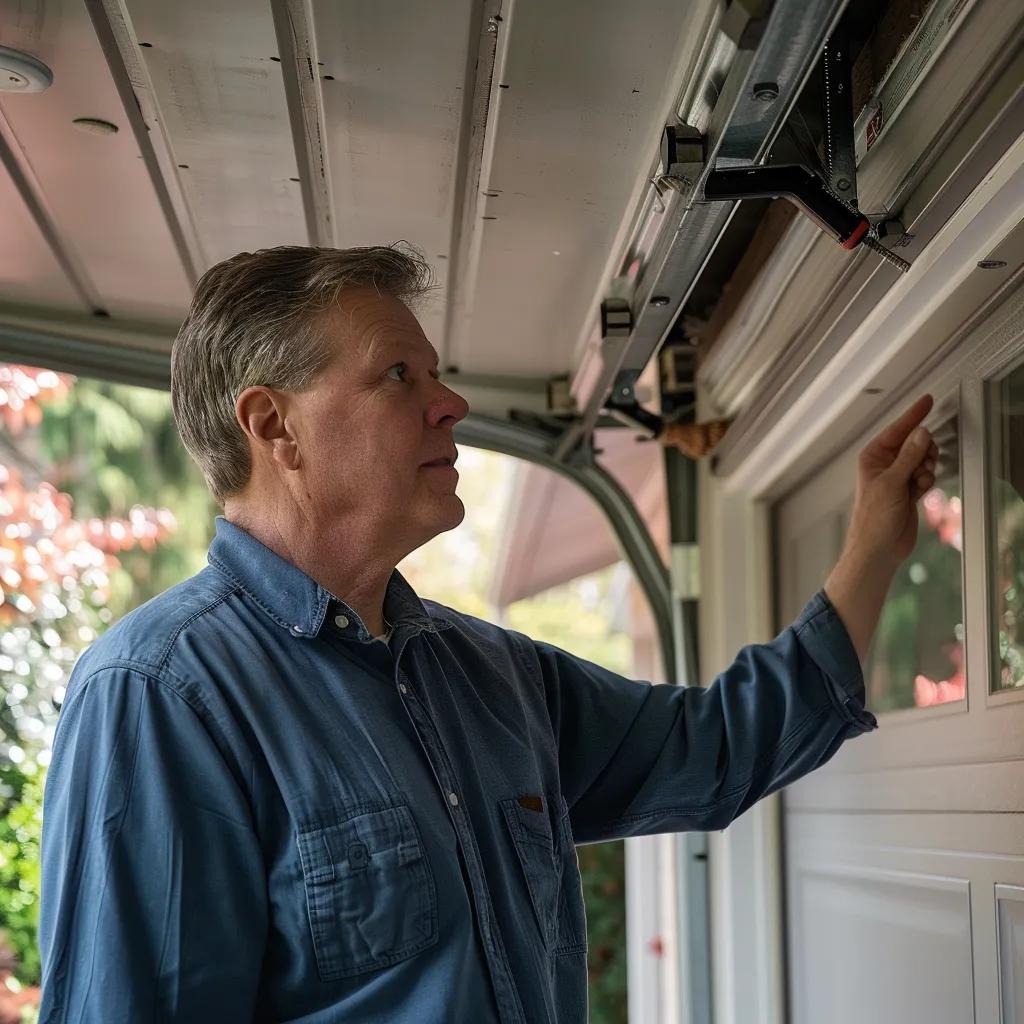
Essential Garage Door Inspection Tips for Longevity: Preventive Guide for Naples Homeowners
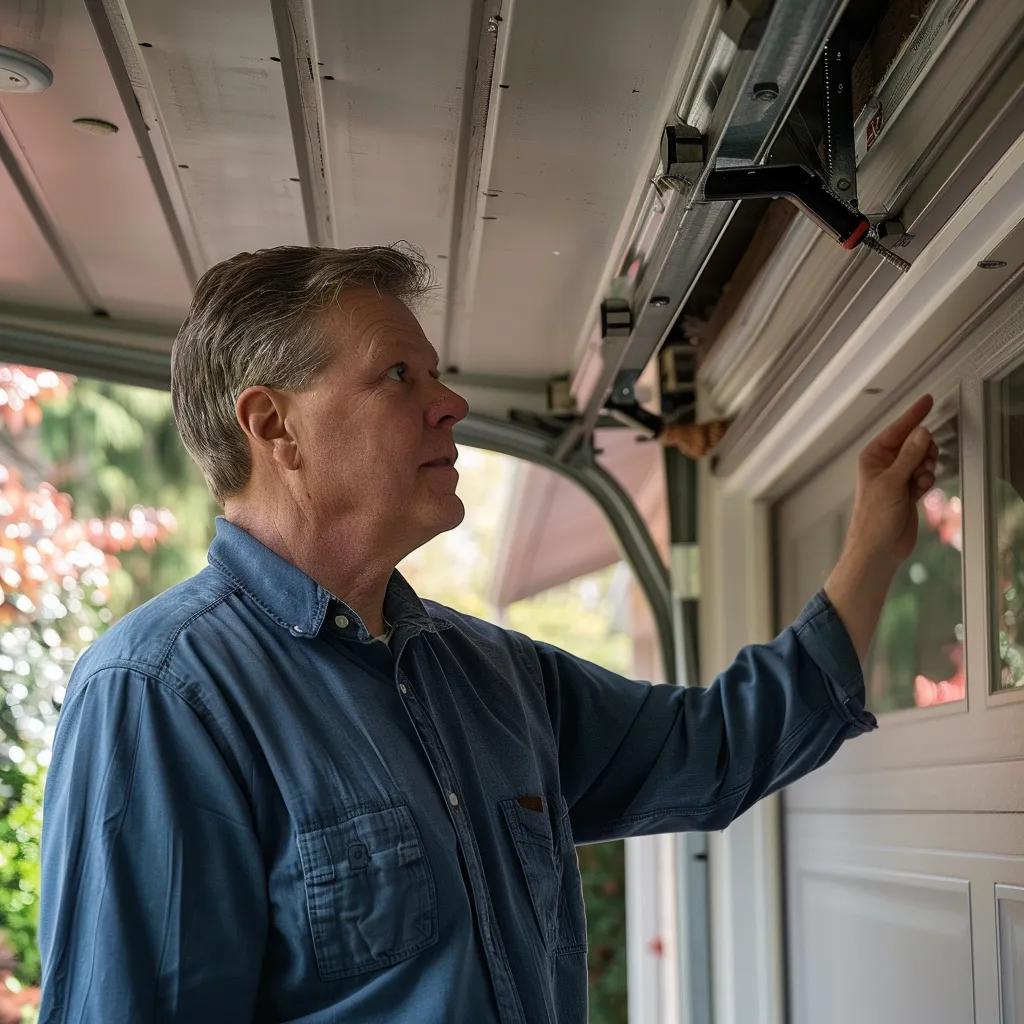
A proactive preventive garage door inspection program identifies wear on springs, rollers, sensors and weather seals before they cause costly breakdowns or safety hazards. In Naples’ humid, salt-air environment, corrosion and material fatigue accelerate component failure, making monthly visual checks and annual professional tune-ups essential. By following these preventive garage door inspection tips, homeowners can extend door lifespan by up to 30%, avoid emergency repairs and maintain reliable operation.
Benefits of Regular Garage Door Maintenance
Regular maintenance, including inspections and lubrication, can extend the lifespan of garage doors by up to 30%. This proactive approach helps identify and address minor issues before they escalate into major problems, reducing the need for costly repairs and ensuring the door operates safely and efficiently. Routine checks can prevent premature wear and tear on critical components.
This citation reinforces the article’s emphasis on the importance of regular inspections and maintenance for extending garage door life.
This guide covers why inspections matter, key component checks, step-by-step DIY routines, professional service triggers, safety protocols, climate-specific advice and strategies to boost property value and security.
Why Is Regular Garage Door Inspection Crucial for Longevity?
Regular garage door inspection is the systematic evaluation of moving parts, safety features and structural integrity to preserve performance and prevent premature failure. Detecting a frayed cable or misaligned track in its early stage reduces undue stress on springs and opener mechanisms, promoting smoother operation and fewer breakdowns. In Naples, salt particles and storm exposure compound wear, so combining monthly homeowner checks with annual professional diagnostics from usagaragedoorrepairnaples.com ensures consistent performance and protects your investment.
How Does Preventive Inspection Extend Garage Door Lifespan?
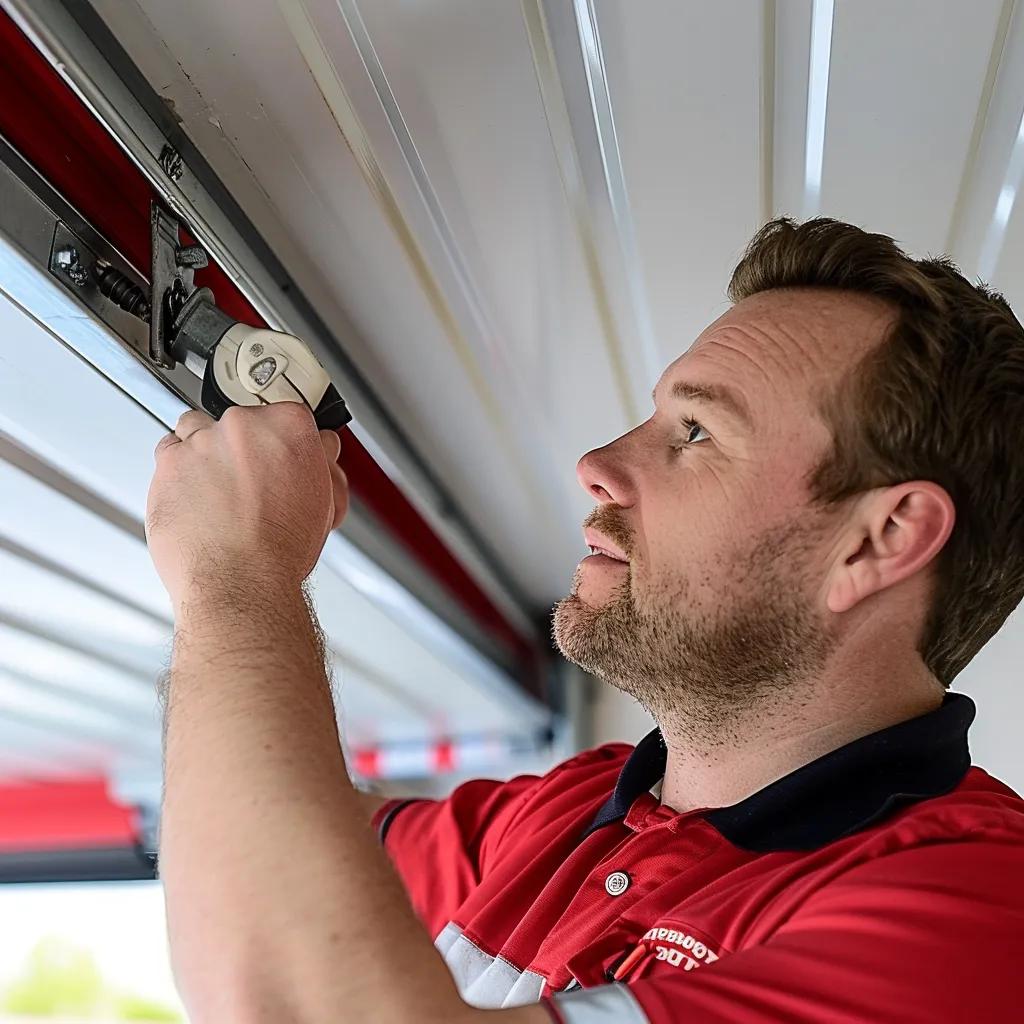
Preventive inspection extends a garage door’s lifespan by catching minor issues before they cascade into costly malfunctions. Inspecting rollers and tracks for debris decreases friction, which in turn reduces torsion spring fatigue and motor overload. For example, clearing grit from a roller race can add years of service life to both the roller and the opener.
Key benefits of preventive inspection:
- Reduced Mechanical Stress – Early tightening of loose bolts prevents component misalignment.
- Corrosion Control – Identifying rust spots on springs or hinges allows timely touch-up and lubrication.
- Safety Assurance – Verifying sensor function reduces the risk of accidental closures.
These steps support smoother operation and longer door lifespan.
What Are the Safety Risks of Skipping Garage Door Inspections?
Skipping garage door inspections significantly increases the risk of sudden failures, property damage or personal injury. A broken torsion spring can release stored energy catastrophically, while non-functional auto-reverse sensors may allow the door to close on a person or vehicle.
- Spring Breakage leading to uncontrolled door drops.
- Sensor Malfunction causing entrapment and injury.
- Cable Fray resulting in sudden snapping and component damage.
Failing to catch these issues early can turn a simple fix into an urgent emergency repair.
How Does Naples Climate Affect Garage Door Durability?

Naples’ coastal climate exposes metal components to high humidity and salt-laden air, which accelerates corrosion and weakens structural parts. Wood-grain or composite panels may warp or delaminate under repeated moisture cycles.
Key climate factors:
- Salt Corrosion – Salt accelerates rust on springs, cables and rollers.
- Humidity Swelling – Constant moisture causes wood and foam-insulated panels to expand and crack.
- Storm Debris – Windborne sand and leaves clog tracks and damage weather stripping.
Understanding these local influences prepares homeowners to schedule targeted maintenance and professional inspections.
The Impact of Coastal Climates on Materials
Coastal environments, characterized by high humidity and salt-laden air, significantly accelerate the corrosion of metal components. This leads to a reduction in the lifespan of materials like springs, cables, and rollers used in garage doors. The constant exposure to moisture and salt can cause rust and weaken structural integrity, necessitating more frequent maintenance and potential replacements.
This research supports the article’s claims about the detrimental effects of the Naples climate on garage door components.
What Are the Key Garage Door Components to Inspect for Longevity?
A comprehensive inspection covers every moving part and safety feature of your garage door to guarantee balanced performance. Panels seal against weather; tracks guide movement; rollers and hinges enable smooth travel; springs and cables bear weight; sensors prevent accidents; the opener powers the entire system.
| Component | Function | Inspection Focus |
|---|---|---|
| Panels & Stripping | Weather seal and structure | Dents, cracks, seal gaps |
| Tracks & Rollers | Door guidance and smoothness | Alignment, debris, wear marks |
| Springs & Cables | Weight support and tension | Corrosion, fraying, tension |
| Photo-Eye Sensors | Obstruction detection | Lens cleanliness, alignment |
| Opener & Wiring | Power and control interface | Motor noise, wiring integrity |
This component map guides each detailed inspection step.
How to Inspect Garage Door Panels and Weather Stripping for Damage?
Inspecting panels and weather stripping begins with a close visual scan to detect gaps, cracks or warping that allow moisture and pests inside. Gaps in the bottom seal, for instance, let water pool beneath the door, risking rust.
Steps to inspect panels and seals:
- Visually walk along each panel, looking for splits or dents.
- Check weather stripping for brittleness or detachment.
- Press foam seals to ensure proper rebound.
- Use a garden hose to simulate rain and watch for leaks.
Addressing damaged seals and panels promptly helps maintain insulation and prevents corrosion on interior hardware.
What Signs of Wear Should You Look for on Tracks, Rollers, and Hinges?
Tracks, rollers and hinges form the mechanical pathway for your door; any irregularity elevates friction and stresses other parts. Misaligned or clogged tracks force rollers to bind, while worn rollers produce grinding noises.
- Track Gaps – Visible separation between track and frame.
- Roller Deformation – Flat spots or chipped nylon wheels.
- Loose Hinges – Wobbling sections or rust around pivot pins.
Correcting alignment and replacing worn rollers preserves smooth, quiet operation and extends component life.
How to Check Garage Door Springs and Cables for Wear and Safety?
Torsion springs and lift cables balance door weight; uneven tension or broken coils can lead to sudden failure. Springs should have uniform coils; cables must run straight with no fraying.
Inspection process:
- Visually compare spring coils for consistent spacing.
- Look for rust or gaps in coils.
- Examine cable strands for broken wires.
- Confirm even cable tension on both drum ends.
Maintaining proper spring tension and cable integrity prevents hazardous snaps and door imbalance. If you spot spring damage, contact our garage door spring repair experts to restore safe operation.
How to Test Photo-Eye Sensors and Auto-Reverse Safety Features?
Photo-eye sensors and the auto-reverse mechanism are critical life-safety systems that stop the door if an obstruction is detected. Dirty lenses or misaligned sensors can disable this function.
Testing procedure:
- Clear sensor lenses of dust and debris.
- Wave an object through the beam to confirm sensor interruption.
- Press the closing button and place a 2×4 board on the floor—door should reverse on contact.
- Adjust sensor height if the door fails to reverse promptly.
Reliable sensors prevent crushing injuries and property damage; schedule professional safety checks through our garage door safety inspection service for full compliance.
The Role of Sensors in Garage Door Safety
Photo-eye sensors and auto-reverse mechanisms are crucial safety features that prevent injuries by stopping the door’s movement when an obstruction is detected. Regular testing and maintenance of these sensors are essential to ensure they function correctly. Malfunctioning sensors can lead to serious accidents, highlighting the importance of their proper operation.
This citation underscores the importance of safety features, aligning with the article’s discussion of sensor testing and the risks of neglecting these components.
What Should You Inspect on the Garage Door Opener and Electrical System?
The opener motor and electrical wiring deliver power and control to your door. Overheating motors, frayed power cords or corroded terminals lead to unreliable performance.
Opener inspection checklist:
- Motor Noise – Listen for grinding or humming under load.
- Remote & Wall Switch – Test consistent response from both controls.
- Wiring Integrity – Check for cracked insulation or loose connections.
- Battery Backup – Activate backup mode to verify functionality.
Early detection of opener issues preserves reliable operation and prevents mid-cycle failures. For motor or wiring faults, our garage door opener maintenance team provides fast, expert repairs.
… [rest of the article remains unchanged]